
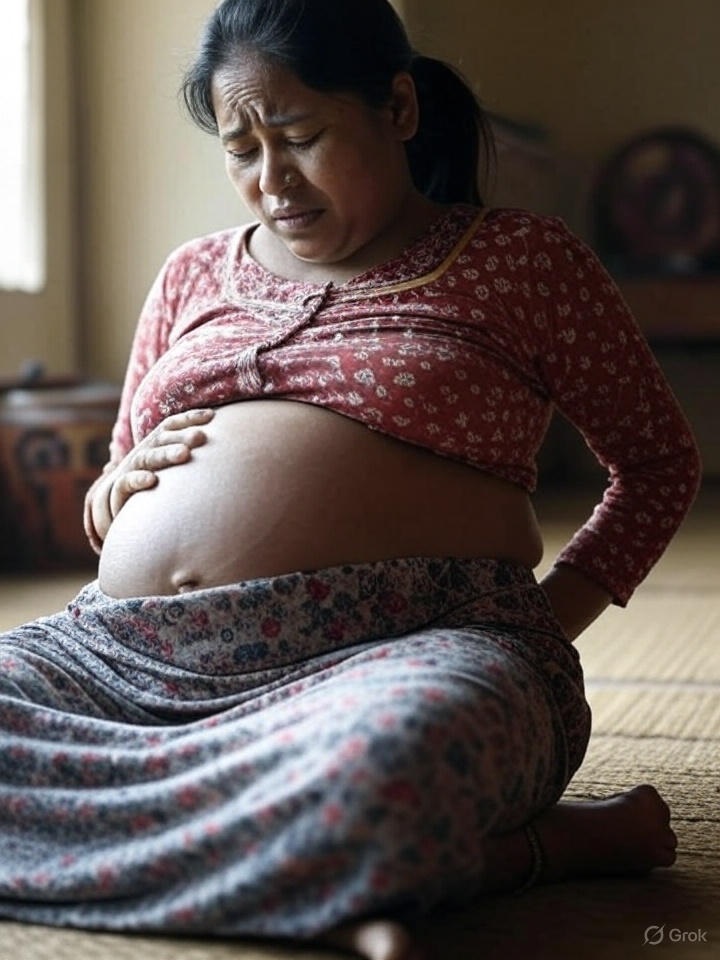
Low back pain occurs in over 50% of all pregnancies, reports a 2025 study in the journal BMC Pregnancy and Childbirth. (1) Despite high prevalence and demonstrated negative impacts on day-to-day life, only few pregnant women seek medical treatment for low back pain. (But you should seek professional help if you need or if your pain is intense) What Causes Low Back Pain During Pregnancy and Risk Factors Several factors can cause or contribute to pain in your back or lower back. Most women develop low back pain during the third trimester of pregnancy. However, some studies suggest pain may start anytime during the first trimester. Fortunately, pain often tends to go away within weeks after delivery. Your pain can be slightly annoying or severe enough to disrupt your daily activities. Besides, pain typically worsens at night, sometimes causing you to wake up. Most common causes include: Hormonal changes Your hormones go through a rollercoaster ride during pregnancy. Fluctuating hormone levels can directly contribute to inflammation and back pain. Furthermore, hormonal changes cause structures in your pelvis and lower spine to become soft and flexible, which is your body’s natural way to prepare you for delivery. On the flip side, these changes can strain your lower back, hips, and pelvis, leading to pain and discomfort. Changes in the center of gravity A woman typically gains about 30 pounds (approx. 13 kg) during pregnancy. This additional weight in the front of your body pulls you forward and increases stress on the lower back. Decreased core strength Your uterus (womb) expands during pregnancy. To accommodate for this, your stomach (core) muscles stretch, resulting in an extra load on the lower back. Besides, poor posture due to a weak core and additional weight can further strain your lower back. You may be more likely to get low back pain if you: Are obese Had low back pain in a previous pregnancy Use a soft mattress Had low back pain during monthly periods Can the Baby’s Position Be A Cause of Your Back Pain? Yes. Your low back pain may be caused by specific fetal positions or a larger fetus. Low Back Pain During Pregnancy Can Affect Your Quality of Life Though pain is usually slightly annoying, some pregnant women may find it hard to perform daily activities. Even usual activities like standing or bending over can become a daunting task. Most notably, pain in your back can severely impact your quality of life. It can affect various aspects of your life. Studies have consistently shown that pain during pregnancy can negatively impact a woman’s: (2) Sleep quality (which in turn can make you more vulnerable to pain) Sexual activity Productivity Less commonly, severe pain in the lower back can cause physical disability. Moreover, low back pain during pregnancy may also increase your risk of developing mental health conditions, such as anxiety and depression. (3) Can you prevent low back pain during pregnancy? It’s typically impossible to prevent low back pain during pregnancy. However, future mothers should be professionally counseled about the potential discomforts during pregnancy. Strategies to lower the risk can include: Staying active before and during pregnancy Maintaining a good level of physical fitness (with special focus on the core strength) Some preventive measures with limited efficacy include: Warm shower baths Hot packs Acupuncture Appropriate posture training Low Back Pain During Pregnancy: Treatment Options and Care The following measures can help reduce pregnancy-related low back pain. Stay active Your level of fitness before and during pregnancy can directly affect your pain response. For example, if you had a stronger core before getting pregnant, you may be less likely to feel pain. The two most recommended exercises for pregnant women are swimming and walking. These low-impact activities strengthen your muscles and can help improve pain. Wear a maternity belt Maternity belts are a great non-pharmacological option to relieve pregnancy-related pain. These specially designed garments help improve mobility and reduce the risk of falling. Massage A gentle massage can help relax tight muscles, thereby improving pain and discomfort. Talk to your physical therapist A physical therapist can teach specific exercises and stretches that can help relieve pain during pregnancy. Get enough rest Avoid standing for prolonged periods and bending over frequently. When to See A Doctor? Talk to your healthcare provider if your pain: Is severe Start suddenly Feel like a cramp Is accompanied by fever or vaginal bleeding References: Pisoh, D.W., Karelle, N.J., Nchufor, R.N. et al. Low back pain during pregnancy: prevalence, risk factors and clinical profile in the Bamenda Regional Hospital. BMC Pregnancy Childbirth 25, 406 (2025). https://doi.org/10.1186/s12884-025-07506-2 Fatmarizka, Tiara, et al. “Pregnancy-Related Low Back Pain and the Quality of Life Among Pregnant Women : A Narrative Literature Review.” Journal of Public Health for Tropical and Coastal Region, vol. 4, no. 3, Dec. 2021, pp. 108–16, doi:10.14710/jphtcr.v4i3.10795. Uemura, Yuko, et al. “Association of Low Back and Pelvic Pain With Mental Health Condition During Pregnancy and Postpartum.” Health, vol. 10, no. 12, Jan. 2018, pp. 1650–60, doi:10.4236/health.2018.1012124.
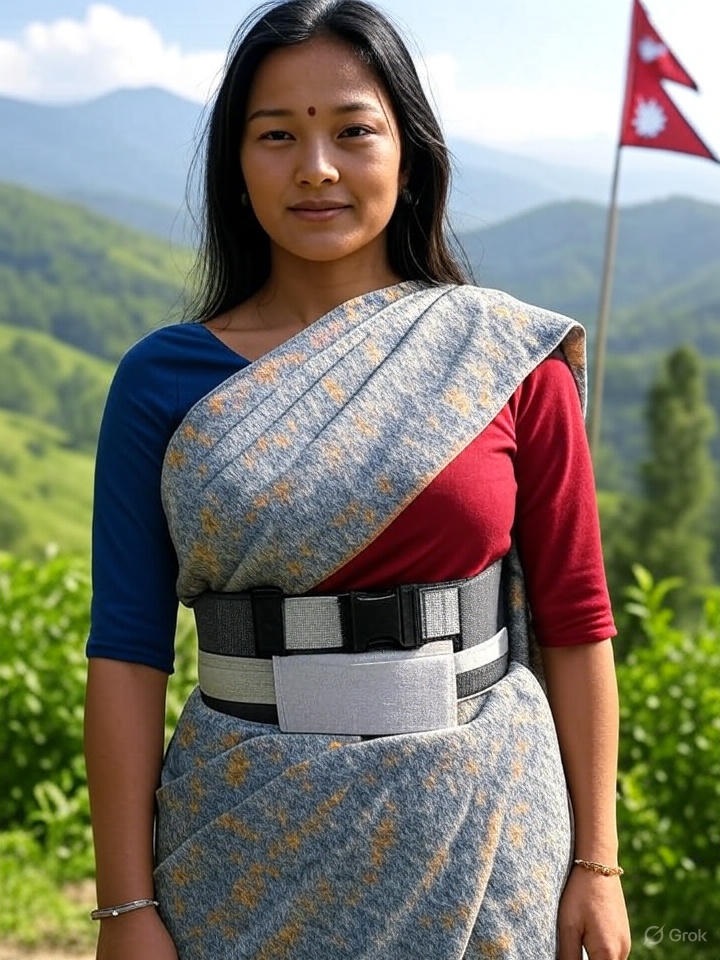
Can a Simple Back Belt Really Help Your Lower Back Pain? New Research Shows Promising Results
Discover how wearing a lumbar belt can significantly reduce lower back pain, improve daily function, and decrease medication use according to new medical research. Learn simple pain management tips for Nepali families. Highlights New research shows lumbar belts work better than treatment without belts Patients wearing belts needed 20% less pain medication after 3 months Daily activities became easier for people using lumbar belts No serious side effects reported from wearing the belts Cost-effective treatment option for families in Nepal Lower back pain affects millions of people around the world, including many families here in Nepal. Whether you work in rice fields, carry heavy loads, or sit at a desk all day, back pain can make simple daily tasks feel impossible. The good news is that researchers have found a simple solution that might help: wearing a lumbar belt. What Did the Research Study Find? A large medical study looked at 197 patients with lower back pain that had lasted for several weeks. The researchers wanted to see if wearing a special elastic belt around the lower back would help people feel better and return to normal activities. The study divided patients into two groups. One group wore lumbar belts along with their regular treatment, while the other group received only regular treatment without belts. After three months, the results were very clear. Amazing Results That Could Help You Pain Levels Dropped Significantly People wearing lumbar belts experienced much greater pain reduction compared to those without belts. On a pain scale, belt wearers saw their pain drop by 41.5 points on average, while those without belts only saw a 32-point reduction. This means the belt made a real difference in how much pain people felt every day. Daily Activities Became Easier The study used something called the EIFEL scale to measure how well people could do everyday tasks like walking, climbing stairs, or lifting objects. People wearing belts improved much more than those without belts. They could return to normal activities faster and with less struggle. Less Need for Pain Medicine This finding is especially important for families in Nepal who may worry about medicine costs or side effects. After 90 days, 60.8% of people wearing belts no longer needed any pain medication. In comparison, only 40% of people without belts were able to stop taking medicine completely. How Do Lumbar Belts Actually Work? Think of a lumbar belt like a gentle, supportive hug for your lower back. When you wear one: It Supports Your Spine The belt helps hold your spine in a good position, reducing stress on painful muscles and joints. This is especially helpful when you bend, lift, or twist during daily activities. It Reminds You to Move Properly Wearing a belt makes you more aware of your posture and movements. This awareness can help you avoid positions that might make your pain worse. It Provides Warmth and Compression The gentle pressure and warmth from the belt can help reduce muscle tension and improve blood flow to the painful area. Who Can Benefit from Lumbar Belts? Based on this research, lumbar belts may help people who have: Lower back pain that has lasted for several weeks Difficulty doing daily activities because of back pain Jobs that require lifting, bending, or long periods of sitting Pain that gets worse with movement or certain positions However, it’s important to talk with a doctor or health worker before starting to wear a lumbar belt, especially if you have severe pain or other health problems. Simple Tips for Using Lumbar Belts Safely Choose the Right Size The belt should fit snugly but not too tight. You should be able to breathe normally and move comfortably while wearing it. Don’t Wear It All Day Experts recommend wearing the belt during activities that trigger pain, not 24 hours a day. Your back muscles need some time to work on their own. Combine with Other Treatments The research shows that belts work best when combined with other treatments like gentle exercise, proper rest, and following your doctor’s advice. Listen to Your Body If the belt causes new pain or discomfort, stop wearing it and talk to a healthcare provider. Why This Matters for Nepal In Nepal, many people suffer from back pain due to physical work, long hours of farming, or carrying heavy loads. This research is encouraging because: Affordable Option Lumbar belts are much less expensive than many other treatments for back pain. One good belt can last for months or years. No Side Effects Unlike some pain medicines, lumbar belts don’t cause stomach problems or other side effects that worry many Nepali families. Easy to Use You don’t need special training or frequent doctor visits to use a lumbar belt safely. Works Alongside Traditional Healing Lumbar belts can be used together with traditional healing methods and modern medicine. What About Prevention? While this study focused on treating existing back pain, wearing a lumbar belt might also help prevent pain in people who do heavy physical work. However, more research is needed to prove this. Important Things to Remember This research shows promising results, but lumbar belts are not magic solutions. They work best as part of a complete approach to back pain that may include: Gentle stretching and strengthening exercises Proper lifting techniques Good sleeping positions Stress management Maintaining a healthy weight Following medical advice The Bottom Line This important research study provides strong evidence that lumbar belts can be a valuable tool in fighting lower back pain. For many people in Nepal dealing with back pain, a lumbar belt might offer significant relief while reducing the need for expensive medications. The study’s results are particularly encouraging because they show that simple, affordable treatments can make a real difference in people’s lives. When 60% of patients were able to stop taking pain medicine completely after wearing belts for three months, it proves that sometimes the simplest solutions work best. If you’re struggling with lower back pain that has lasted for

Low Back Pain in Nepali Nurses: Causes, Prevention & Treatment Tips
Discover the causes, symptoms, and prevention of low back pain among nurses in Nepal. Learn effective treatment options and workplace safety tips for healthcare workers. Low Back Pain Among Nurses in Nepal: A Healthcare Crisis We Can’t Ignore If you’ve ever spent time in a hospital, you’ve probably noticed how physically demanding nursing can be. Nurses are constantly on their feet, bending over patients, lifting heavy equipment, and working in positions that would make most of us uncomfortable after just a few minutes. Unfortunately, this physical reality is taking a serious toll on the health of our nursing professionals in Nepal. The issue of low back pain among nurses isn’t just a minor workplace complaint. It’s becoming a significant health crisis that affects not only the nurses themselves but also the quality of patient care they can provide. Understanding Low Back Pain in Simple Terms Low back pain refers to discomfort or pain in the lower spine area, roughly between the bottom of your ribs and the top of your legs. For nurses, this pain can feel like anything from a constant, dull ache that never really goes away to sharp, shooting pains that can literally stop them in their tracks. Some nurses experience pain that comes and goes depending on their work activities, while others deal with persistent discomfort that follows them home after their shifts. Either way, it’s a problem that significantly impacts their ability to do their jobs effectively. The Alarming Statistics from Nepal Recent research conducted in hospitals across Nepal reveals some truly concerning numbers. Studies show that approximately 65% of nurses in our country experience low back pain. To put that in perspective, that means more than 6 out of every 10 nurses are dealing with this issue. (1) These aren’t just numbers on a page. They represent thousands of healthcare professionals who are struggling with pain while trying to provide the best possible care for their patients. Nepal’s Unique Healthcare Challenges Our healthcare system in Nepal faces particular challenges that may contribute to higher rates of occupational injuries among nurses. Many hospitals operate with limited resources, older infrastructure, and staffing shortages that put extra pressure on existing nursing staff. While organizations like the Nepal Nursing Association and the Ministry of Health are beginning to recognize occupational health as a priority, comprehensive workplace safety programs are still lacking in many healthcare facilities across the country. This gap between awareness and action needs to be addressed urgently. Why Are So Many Nurses Getting Hurt? The nursing profession involves numerous physical activities that can strain the lower back. Understanding these risk factors is crucial for both prevention and treatment: Physical Demands of Nursing Work Extended Standing Periods: Nurses typically stand for 5 to 6 hours during their shifts, which puts continuous pressure on the lower back muscles and spine. Research shows that 64.5% of nurses identify prolonged standing as a major contributing factor to their back pain. (1) Frequent Bending and Twisting: Patient care requires nurses to constantly bend over beds, twist their bodies while helping patients, and reach across equipment in awkward positions. When these movements are repeated hundreds of times per shift, they can cause significant strain on the back muscles and joints. Heavy Lifting Requirements: Moving patients, transferring them from beds to wheelchairs, and handling heavy medical equipment are all part of a nurse’s daily routine. Studies indicate that 62.7% of nurses cite heavy physical workload as a factor in their back problems. Maintaining Static Positions: Whether they’re documenting patient information, preparing medications, or monitoring equipment, nurses often have to stay in the same position for extended periods. About 58% of nurses report that working in the same positions contributes to their discomfort. Work Environment Factors Excessive Working Hours: Many nurses in Nepal work 47 to 52 hours per week, with some working even longer. Extended shifts mean more time engaged in physically demanding activities, which increases the risk of injury. (2) Staffing Shortages: When hospitals can’t maintain adequate nursing staff, the remaining nurses must handle larger patient loads. This means more lifting, more standing, more bending, and ultimately more stress on their backs. Inadequate Equipment: Not all healthcare facilities have access to modern lifting aids, adjustable beds, or ergonomically designed workstations. This forces nurses to work in positions that put unnecessary strain on their bodies. The Real Impact on Nursing Performance Low back pain doesn’t just affect nurses when they’re off duty. It has serious consequences for their work performance and job satisfaction. Research shows that 46.4% of nurses experience increased work restrictions due to back pain, meaning they can’t perform certain tasks as effectively as they should. Additionally, 42.7% of nurses report feeling less productive and creative when dealing with chronic back discomfort. This reduced effectiveness can impact patient care quality and overall hospital operations. Common symptoms that interfere with work include: Persistent dull aching that makes concentration difficult Sharp pains that can occur suddenly during patient care activities Morning stiffness that makes it hard to start the workday effectively Difficulty maintaining proper posture during long procedures Treatment Options That Actually Work Fortunately, several treatment approaches have proven effective for nurses dealing with back pain: Immediate relief strategies Rest and Proper Positioning: The vast majority of nurses (99.1% according to research) find that taking regular breaks and finding comfortable positions provides relief. While this sounds basic, it’s often the most effective immediate intervention. Appropriate Medication Use: About 82.7% of nurses find pain-relieving medications helpful when used properly. However, it’s important to use these medications responsibly and under proper medical guidance, especially for chronic conditions. Professional treatment approaches Physiotherapy Services: This appears to be one of the most effective treatments available. Research indicates that 92.7% of nurses who receive physiotherapy report significant benefits. Physiotherapists can provide specific exercises, stretches, and techniques designed to strengthen the back and prevent future injuries. Medical Consultation: For persistent or severe pain, professional medical evaluation is essential. Healthcare providers can rule out serious underlying conditions and develop

Top 5 Practical Tips for Low Back Pain, Based on Science
Home remedies, such as exercise, stretching, and a healthy diet, can work wonders for your low back pain. If you or anyone you love is living with low back pain, try these lifestyle changes to reclaim a pain-free life. Highlights Low back pain is common, affecting 25% of Nepalese adults. It occurs when you have pain and stiffness in the region of the back extending from the bottom of the ribcage to the buttocks. While no cause can be traced in about 90% of the cases, possible causes can include: When you walk, stand, or sit, the back muscles and spine support your weight. Having low back pain can affect these activities. Over-the-counter pain medications often help those with short-term pain. However, when pain lingers, you may need professional help. The following home remedies are expected to help relieve pain if you have mild symptoms and no serious underlying causes. Exercise is an intentional physical activity. Any activity is better than none, regardless of whether you’ve back pain or not. Several studies suggest short walks, aerobics, swimming, yoga, and other low-impact activities can help improve pain. When choosing an exercise routine, make sure to choose one that you can stick to. When it comes to exercise, no amount of motivation beats consistency! Besides, exercise can help you lose excess weight, leading to a decreased load on your back and spine. According to a large 2021 review, exercise may improve pain and the ability to perform daily tasks. Exercises shown to benefit low back pain included: (1) Guidelines across the globe recommend at least 150 minutes of moderate-intensity activity every week. (2,3,4). Besides, adults should do some strength training at least 2 days a week. Stretching is a great way to loosen up your back muscles. Muscle relaxation can help alleviate pain and improve other symptoms of low back pain, such as stiffness. The authors of a 2020 study recommend two minutes of stretching that includes your hips and glutes. (5) Back-strengthening stretches can include: The details of each stretch with images can be found HERE. It might sound like a cliche but you’re what you eat. Diet can work to relieve pain in two ways. First, it helps reduce inflammation (swelling). Second, it enables you to lose excess weight, a well-established risk factor for low back pain. In women with fibromyalgia who have back pain, a combination of core stabilization exercise and a lacto-vegetarian diet has been shown to reduce pain. (6) While there’re no specific dietary guidelines for people with low back pain, experts recommend the following diets to improve pain and facilitate weight loss: (7) Mediterranean diet Plant-based foods and healthy fats form the core of the Mediterranean diet. The fundamentals of the Mediterranean diet are: Low glycemic (low GI) diet This diet plan includes foods that cause a slow and small increase in blood sugar levels. Foods in the low GI diet can include: Pain disturbs sleep, and getting too little sleep can make you more sensitive to pain. Adults should get about 8 hours of uninterrupted sleep each night. According to a recent article in the journal Sleep Medicine Reviews, people who get little sleep tend to feel pain more intensely. (8) Fortunately, sleep is a modifiable factor, which means you can change it. Try the following tips to sleep like a baby, once again: Long-term low back pain can lead to increased stress levels. Likewise, increased stress may make your pain more intense. So, what can you do? There’re ways to break this vicious cycle. Some of them include: Belly or abdominal breathing Belly breathing is a deep breathing technique. How to do Pro-tip: Start with a 5-minute breathing session, and slowly work up to 20 minutes a day. Square breathing Synonym: box breathing This is another deep breathing technique with incredible health benefits. How to do Then, That’s one cycle. You may do several cycles, depending on your ability. The basic idea is to inhale, exhale, and hold breath for the same duration. You may change the duration to 3 seconds or 5 seconds, or even longer. When to Seek Professional Help for Low Back Pain Call your healthcare provider immediately if you experience: References:

Desk Job Back Pain in Nepal: A Complete Guide to Relief and Prevention
Are you one of the many office workers in Nepal suffering from back pain? You’re not alone. Recent studies show that 65% of desk workers develop musculoskeletal (MSK) issues like back pain. If you spend long hours at your computer in Kathmandu, Pokhara, or anywhere in Nepal, this guide will help you understand and manage your desk job back pain. Why Desk Jobs Cause Back Pain in Nepal Sitting at a desk for hours creates serious problems for your spine. Research shows that low back pain (LBP) is common among office workers and is the most common cause of work-related disability in people under 45 years of age. When you sit for long periods, several things happen to your body: Your muscles get stiff: Studies prove that prolonged sitting periods lead to a significant increase in muscle stiffness. This stiffness makes your back hurt and feel tight. Your posture gets worse: Most office workers spend too much time in bad positions. Research found that all participants spent a substantial amount of time in a slumped sitting posture during long work days. Your core gets weak: Medical studies show a direct correlation between prolonged sitting—particularly in front of screens—and reduced core muscle strength. Weak core muscles cannot support your spine properly. Common Signs of Desk Job Back Pain You might have desk job back pain if you notice: Aching or stiffness in your lower back after sitting Pain that gets worse during the day Difficulty standing up straight after sitting for hours Back pain that improves when you move around Muscle spasms in your back or hips The Hidden Costs of Back Pain for Nepal’s Workforce Back pain affects more than just your comfort. It impacts your work and life quality. When your back hurts, you cannot focus on your tasks properly. You may need to take sick days or visit doctors frequently. This costs money and affects your career growth. Many office workers in Nepal’s growing IT and service sectors face this problem daily. From Kathmandu’s business districts to remote work setups across the country, desk job back pain is becoming a major health concern. Evidence-Based Solutions That Work Medical research provides clear answers on how to prevent and treat desk job back pain. Here are proven methods: Take Regular Movement Breaks Scientific studies strongly support this approach. The primary movement-based intervention that the literature appears to moderately support is the implementation of movement breaks throughout the day for those individuals who are in a seated position for prolonged periods of time such as office workers. What to do: Stand up and move for 2-3 minutes every 30 minutes. Walk around your office, stretch your arms, or do simple exercises. Improve Your Workspace Setup Proper ergonomics can significantly reduce back pain risk. Research shows that workplace interventions help office workers with specific characteristics. Number of working hours, work-related psychological demands, and use of lumbar support moderate the beneficial effects of preventive interventions for neck and low back pain. Essential setup tips: Your computer screen should be at eye level Your feet should touch the floor completely Use a chair that supports your lower back curve Keep your keyboard and mouse at elbow height Strengthen Your Core Muscles Weak core muscles contribute to back pain during sitting. This decline in strength of the abdominal muscles is linked to a heightened risk of lower back pain. Simple exercises you can do: Plank exercises for 30 seconds, 3 times daily Pelvic tilts while sitting in your chair Deep breathing exercises that engage your core Wall sits during breaks Consider Dynamic Sitting Traditional static sitting may not be best for your back. Medical research investigates the effect of dynamic sitting on the prevention and management of low back pain (LBP) and/or low back discomfort (LBD) while sitting. Dynamic sitting means changing positions frequently rather than staying in one pose all day. Use different chair heights, alternate between sitting and standing, or use a stability ball for short periods. When to Seek Professional Help While these strategies help many people, sometimes you need medical care. See a doctor if you have: Back pain that lasts more than a few days Pain that spreads down your legs Numbness or tingling in your legs or feet Back pain with fever or other illness symptoms Pain so severe it affects your daily activities Nepal has many qualified physiotherapists and orthopedic doctors in major cities who can help with persistent back pain. Quick Daily Routine for Desk Workers Here’s a simple routine you can start today: Morning (5 minutes): Gentle back stretches before work Core activation exercises During Work (every 30 minutes): Stand up and walk for 2 minutes Do shoulder rolls and neck stretches Check your posture Evening (10 minutes): Longer stretching routine Core strengthening exercises Heat therapy if needed The Role of Proper Support Many office workers benefit from additional support tools. These include: Lumbar support cushions for your chair Ergonomic keyboards and mouse pads Footrests to improve leg positioning Supportive orthotics that improve overall posture alignment Quality orthotics can be especially helpful because they support your entire body’s alignment from the ground up. When your feet are properly aligned, it helps maintain better posture throughout your spine. Moving Forward: Your Action Plan Starting today, you can take control of your desk job back pain: Week 1: Focus on taking regular movement breaks and improving your workspace setup. Week 2: Add core strengthening exercises to your daily routine. Week 3: Practice dynamic sitting and better posture habits. Week 4: Evaluate your progress and adjust your approach. Remember, small consistent changes work better than dramatic short-term efforts. Your back pain didn’t develop overnight, and healing takes time too. Key Takeaways Desk job back pain affects millions of office workers worldwide, including many in Nepal’s growing economy. However, medical research provides clear evidence on effective prevention and treatment methods. By taking regular breaks, improving your workspace, strengthening your core, and considering professional help
What Is the Most Effective Treatment for Low Back Pain?

1 in 4 Nepalese Adults Have Low Back Pain. What Can You Do About It?
If you or anyone you love is living with low back pain, appropriate treatment can help you live a productive life with little discomfort. Highlights What is Low Back Pain? Low back pain (LBP) affects the region between the lower edge of your ribs and buttocks. According to the World Health Organization (WHO), this condition affects over 600 million individuals globally. (1) Low back pain can make it hard for you to move, which can affect your quality of life, mental health, and work performance. Likewise, long-term pain can severely impact the amount and quality of time you spend with your friends and family. There’re several types of LBP, including: Non-specific LBP is more common, accounting for nearly 90% of all cases. In women, low back pain may occur during a menstrual period or pregnancy. In most cases, back pain during a period doesn’t indicate a serious medical condition. Back pain during pregnancy is common. Several factors cause pain, such as fluctuating hormones and changes in the center of gravity. Though a woman may experience back pain at any point in pregnancy, most get pain during the second and third trimesters. Low Back Pain is More Common in Nepal than You Think Only a few studies have looked into how many Nepalese live with LBP. Yet, available data suggest the number is higher than previously thought. For instance, a 2019 review reported that low back pain affects 50% to 90% of Nepalese. (2) However, the researchers mentioned that they didn’t include data from non-commercial publishing, such as government and academic institutions. This could be one of the reasons for the high prevalence of back pain among Nepalese. According to a 2025 study, low back pain affects nearly one-fourth of Nepalese adults. (3) Researchers used WHO data to estimate the prevalence in people between 15 and 59 years. The notable findings of the study are as follows: What Is the Most Effective Treatment for Low Back Pain? There’s no one-size-fits-all treatment approach because of varying degrees of: Nonetheless, a growing body of evidence suggests rehabilitation is likely the most effective treatment for non-specific and long-term pain. Physical therapy (physiotherapy) and exercise can improve: (4) Other forms of rehabilitation with promising results include: Orthotics Hot or cold therapy Ice therapy can help reduce pain and swelling. Likewise, heat therapy can help relieve muscle spasms. Cognitive behavioral therapy (CBT) CBT is a talk therapy (psychotherapy). It involves short-term, goal-oriented sessions. During the sessions, you learn how to replace negative emotions associated with pain with positive ones. Patient education The triad of patient education, reassurance, and self-care are essential for effective pain management. Patient education can help you learn about: Frequently Asked Questions While typically self-limiting, low back pain may be serious if it lasts longer than a month or worsens with time. A belt can work by supporting your core and lower back, helping improve posture, and reducing force on the spine. Low back pain may spread down your legs, while kidney pain usually affects the higher regions of your back. References:
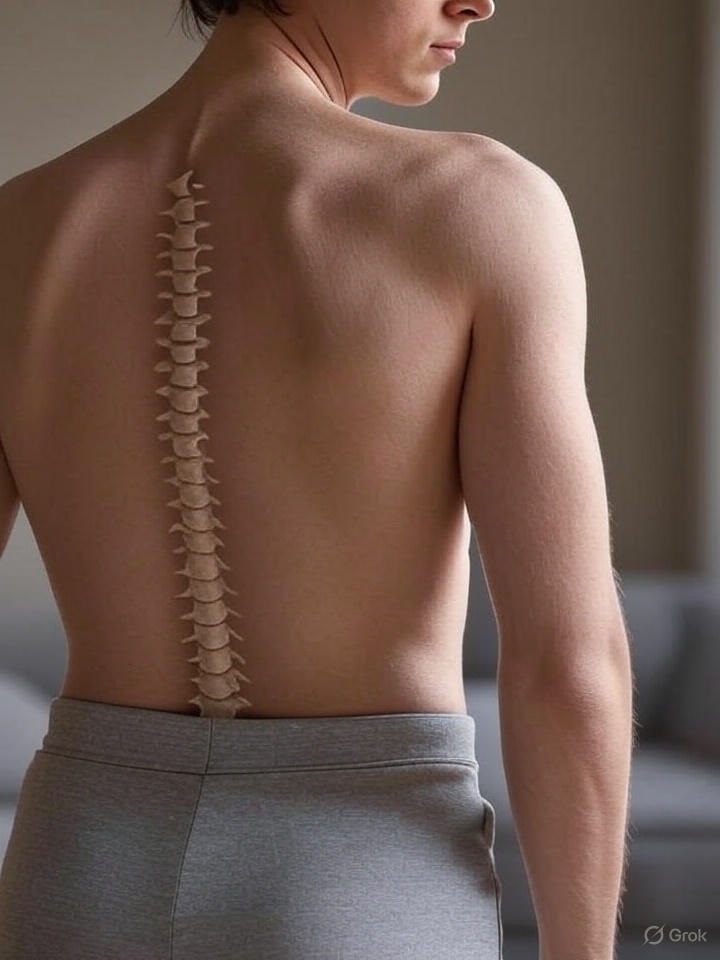
Low Back Pain: Causes, Symptoms, Diagnosis, and Treatment Options
Low back pain is the top cause of disability worldwide, reports a study published in The Lancet Rheumatology. Learn about its causes, symptoms, and treatment. A Quick Overview of Low Back Pain The low back is the region of the back extending from below the ribcage to the buttocks. Pain in this area is common, affecting over 600 million people globally in 2020. The number is expected to cross 800 million by 2050. (1) Low Back Pain Causes The cause is unknown in about 90% of all cases. In others, the most common causes include the following. Muscle sprains or strains Strenuous activity or overuse can cause the back muscles and ligaments to stretch or tear. Sudden movements may also result in sprains or strains. Herniated discs Also called a ruptured disc, it occurs when the cushion between the bones in your spine extends beyond its usual position. Possible causes of a ruptured disc include injury and age-related degenerative changes. Spinal stenosis Spinal stenosis is the narrowing of the spaces in the spine. It leads to increased pressure on the spinal cord and nerves. Osteoarthritis (OA) Osteoarthritis of the spine—spondylosis—is caused by gradual degeneration of the soft cushion between the bones in the spine. Some people may get low back pain due to: Risk factors include: Low Back Pain Symptoms Common symptoms Talk to your healthcare provider if the symptoms worsen or don’t go away. Less common symptoms Talk to your healthcare provider right away if any of the following symptoms occur: