
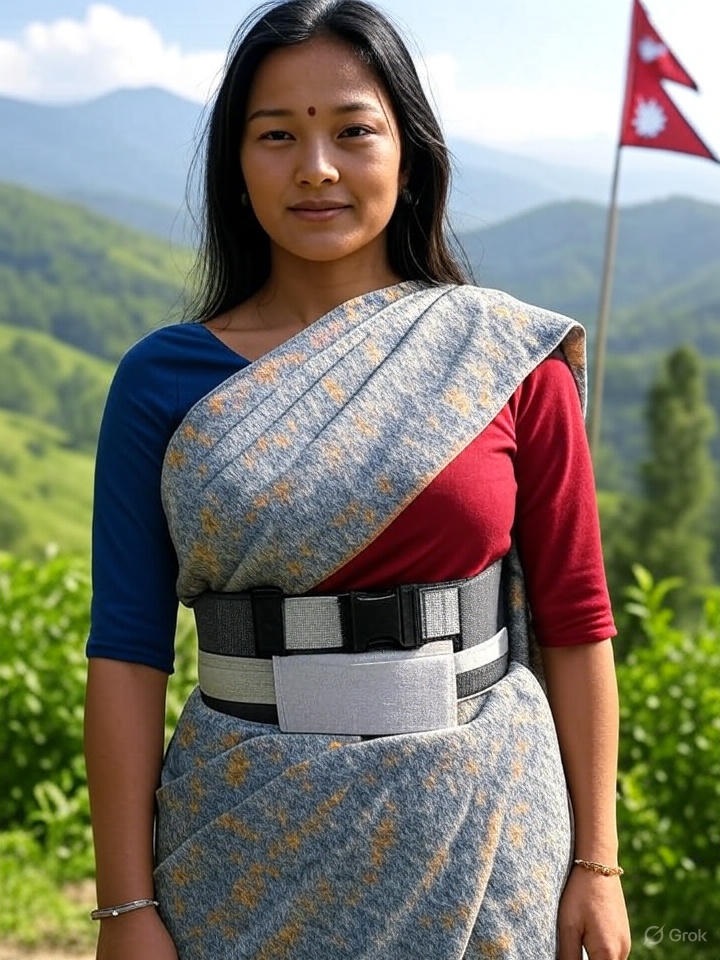
Discover how wearing a lumbar belt can significantly reduce lower back pain, improve daily function, and decrease medication use according to new medical research. Learn simple pain management tips for Nepali families.
Highlights
- New research shows lumbar belts work better than treatment without belts
- Patients wearing belts needed 20% less pain medication after 3 months
- Daily activities became easier for people using lumbar belts
- No serious side effects reported from wearing the belts
- Cost-effective treatment option for families in Nepal
Lower back pain affects millions of people around the world, including many families here in Nepal. Whether you work in rice fields, carry heavy loads, or sit at a desk all day, back pain can make simple daily tasks feel impossible. The good news is that researchers have found a simple solution that might help: wearing a lumbar belt.
What Did the Research Study Find?
A large medical study looked at 197 patients with lower back pain that had lasted for several weeks. The researchers wanted to see if wearing a special elastic belt around the lower back would help people feel better and return to normal activities.
The study divided patients into two groups. One group wore lumbar belts along with their regular treatment, while the other group received only regular treatment without belts. After three months, the results were very clear.
Amazing Results That Could Help You
Pain Levels Dropped Significantly
People wearing lumbar belts experienced much greater pain reduction compared to those without belts. On a pain scale, belt wearers saw their pain drop by 41.5 points on average, while those without belts only saw a 32-point reduction. This means the belt made a real difference in how much pain people felt every day.
Daily Activities Became Easier
The study used something called the EIFEL scale to measure how well people could do everyday tasks like walking, climbing stairs, or lifting objects. People wearing belts improved much more than those without belts. They could return to normal activities faster and with less struggle.
Less Need for Pain Medicine
This finding is especially important for families in Nepal who may worry about medicine costs or side effects. After 90 days, 60.8% of people wearing belts no longer needed any pain medication. In comparison, only 40% of people without belts were able to stop taking medicine completely.
How Do Lumbar Belts Actually Work?
Think of a lumbar belt like a gentle, supportive hug for your lower back. When you wear one:
It Supports Your Spine
The belt helps hold your spine in a good position, reducing stress on painful muscles and joints. This is especially helpful when you bend, lift, or twist during daily activities.
It Reminds You to Move Properly
Wearing a belt makes you more aware of your posture and movements. This awareness can help you avoid positions that might make your pain worse.
It Provides Warmth and Compression
The gentle pressure and warmth from the belt can help reduce muscle tension and improve blood flow to the painful area.
Who Can Benefit from Lumbar Belts?
Based on this research, lumbar belts may help people who have:
- Lower back pain that has lasted for several weeks
- Difficulty doing daily activities because of back pain
- Jobs that require lifting, bending, or long periods of sitting
- Pain that gets worse with movement or certain positions
However, it’s important to talk with a doctor or health worker before starting to wear a lumbar belt, especially if you have severe pain or other health problems.
Simple Tips for Using Lumbar Belts Safely
Choose the Right Size
The belt should fit snugly but not too tight. You should be able to breathe normally and move comfortably while wearing it.
Don’t Wear It All Day
Experts recommend wearing the belt during activities that trigger pain, not 24 hours a day. Your back muscles need some time to work on their own.
Combine with Other Treatments
The research shows that belts work best when combined with other treatments like gentle exercise, proper rest, and following your doctor’s advice.
Listen to Your Body
If the belt causes new pain or discomfort, stop wearing it and talk to a healthcare provider.
Why This Matters for Nepal
In Nepal, many people suffer from back pain due to physical work, long hours of farming, or carrying heavy loads. This research is encouraging because:
Affordable Option
Lumbar belts are much less expensive than many other treatments for back pain. One good belt can last for months or years.
No Side Effects
Unlike some pain medicines, lumbar belts don’t cause stomach problems or other side effects that worry many Nepali families.
Easy to Use
You don’t need special training or frequent doctor visits to use a lumbar belt safely.
Works Alongside Traditional Healing
Lumbar belts can be used together with traditional healing methods and modern medicine.
What About Prevention?
While this study focused on treating existing back pain, wearing a lumbar belt might also help prevent pain in people who do heavy physical work. However, more research is needed to prove this.
Important Things to Remember
This research shows promising results, but lumbar belts are not magic solutions. They work best as part of a complete approach to back pain that may include:
- Gentle stretching and strengthening exercises
- Proper lifting techniques
- Good sleeping positions
- Stress management
- Maintaining a healthy weight
- Following medical advice
The Bottom Line
This important research study provides strong evidence that lumbar belts can be a valuable tool in fighting lower back pain. For many people in Nepal dealing with back pain, a lumbar belt might offer significant relief while reducing the need for expensive medications.
The study’s results are particularly encouraging because they show that simple, affordable treatments can make a real difference in people’s lives. When 60% of patients were able to stop taking pain medicine completely after wearing belts for three months, it proves that sometimes the simplest solutions work best.
If you’re struggling with lower back pain that has lasted for several weeks, consider talking to a healthcare provider about whether a lumbar belt might help you. Combined with other good health practices, it could be an important step toward getting your life back and returning to the activities you enjoy.
Key Takeaways
- Lumbar belts significantly reduced pain in a large study of 197 patients over 3 months
- Daily functioning improved more in people wearing belts compared to those without belts
- Medication use decreased by 20%; more belt users could stop taking pain medicine completely
- No serious side effects were reported from using lumbar belts in the study
- Cost-effective treatment option that can work alongside other therapies
- Best results come from combining belt use with proper medical care and healthy habits
- Talk to a healthcare provider before starting to use a lumbar belt for back pain
Reference:
- Calmels, Paul et al. “Effectiveness of a lumbar belt in subacute low back pain: an open, multicentric, and randomized clinical study.” Spine vol. 34,3 (2009): 215-20. doi:10.1097/BRS.0b013e31819577dc