

Low back pain has become one of the most pressing health concerns affecting Nepalese communities. If you’ve experienced that persistent ache in your lower back after a long day at work, or if simple daily activities have become increasingly difficult due to back discomfort, you’re not alone. Research reveals that you’re part of a larger pattern affecting thousands across the country. The Scale of the Problem in Nepal Recent national survey data indicates that approximately one in four Nepalese adults experiences activity-limiting low back pain. This statistic becomes even more concerning when you look at specific occupational groups. Among construction workers in Nepal, the prevalence reaches 52%, while agricultural workers report rates around 36%. (1) Further Reading: Back Pain Among Nepalese Construction Workers: Causes, Prevention, and Treatment Guide What makes these numbers particularly significant is that low back pain stands as the leading cause of disability in Nepal, with disability years increasing by nearly 17% since 2005. (2) This isn’t just about temporary discomfort; it’s about your ability to work, support your family, and maintain your quality of life. Who Is Most Affected? Understanding who’s at highest risk can help you assess your own vulnerability and take preventive action. Gender and Age Factors Women in Nepal face 1.74 times higher odds of experiencing low back pain compared to men, and older adults aged 55 to 69 have over four times higher odds than those aged 15 to 24. (3) If you’re a woman in your middle or later years, you should be especially attentive to back health. Also Read: Low Back Pain During Pregnancy: An Underreported Ailment Affecting Over 50% of Future Mothers Occupation-Related Risks Your work significantly influences your back pain risk. Construction workers, particularly manual laborers, bricklayers, and those doing armature fixing work, face higher risks due to sustained bending, twisting, and repetitive trunk movements. Agricultural workers commonly experience back pain due to heavy lifting, prolonged bending during tasks like transplantation and reaping, and sustained awkward postures. Even healthcare workers aren’t spared. Studies show that 74.6% of nurses in tertiary care centers experience low back pain, particularly those working more than 60 hours per week. (4) Related: Low Back Pain in Nepali Nurses: Causes, Prevention & Treatment Tips Why Treatment Remains Difficult to Access Despite the widespread nature of low back pain, accessing appropriate care in Nepal presents multiple challenges. Healthcare System Barriers Nepal has fewer than one physiotherapist per 25,000 people, with most concentrated in urban areas. (5) This shortage means that even if you recognize the need for professional help, finding qualified specialists may be difficult, especially if you live in rural regions. Additionally, inadequate education and training among healthcare professionals, coupled with limited resources and restricted access to pain medications, creates significant treatment gaps. Financial and Practical Obstacles Research indicates that 80% of construction workers with low back pain never seek healthcare services due to time constraints, financial limitations, and fear of losing wages. (1) Community surveys reveal that people spend an average of 8.4% of their total income on chronic pain treatment, placing substantial financial strain on families already facing economic challenges. (6) The situation is further complicated by the high cost of diagnostic procedures like MRI scans, which can cost approximately one-third of the average monthly household income. The Poverty-Pain Cycle Nepal’s largely agrarian economy means that one-quarter of the population lives below the poverty line, and the inability to perform physically demanding work due to low back pain can drive many deeper into poverty. This creates a vicious cycle: poverty increases your risk of jobs involving heavy physical labor, which leads to back pain, which reduces your ability to work, which perpetuates poverty. Remarkably, approximately 80% of people with chronic pain in Nepal continue working despite their discomfort, often because they have no alternative. (7) The low socioeconomic status of many Nepalese, particularly in rural areas, forces them to continue working through pain. Understanding Your Back Pain Low back pain isn’t a single condition but rather a symptom with various potential causes. While you should always consult a healthcare professional for proper diagnosis, understanding common patterns can help you communicate more effectively with your doctor. The pain may manifest as sharp, stabbing sensations or dull, persistent aches. It can be localized to your lower back or radiate down your legs. The characteristics of your pain (what makes it better or worse, when it occurs, and how it affects your daily activities) provide important diagnostic clues. For most people experiencing acute back pain, the condition improves within several weeks, especially with appropriate rest, gentle movement, and pain management. However, when pain persists beyond three months, it’s classified as chronic and requires a different approach. Practical Steps You Can Take While structural healthcare improvements are needed, there are actions you can take now to manage and prevent low back pain. Modify Your Work Practices If your occupation involves repetitive movements or sustained awkward postures, try to vary your tasks throughout the day. Take brief breaks to stretch and change positions. When lifting heavy objects, use proper technique: bend at your knees rather than your waist, keep the load close to your body, and avoid twisting while carrying weight. Stay Active Appropriately Contrary to what you might think, prolonged bed rest typically worsens back pain rather than improving it. Gentle movement and gradual return to activities generally produce better outcomes. However, this doesn’t mean pushing through severe pain. Always listen to your body and progress gradually. Address Contributing Factors Poor sleep quality, stress, and depression can all worsen back pain. If you’re experiencing these issues alongside your back pain, addressing them may help improve your overall condition. Seek Help When Needed Research shows that the majority of workers do nothing to prevent or manage their low back pain. Don’t wait until your pain becomes debilitating. Early intervention generally produces better outcomes. The Importance of Prevention Given the barriers to accessing treatment, prevention becomes even more crucial. Simple measures like maintaining good posture during work,

Lower Back Pain: Why Your Hip Flexor Muscle Might Be the Real Problem
Understanding the Hidden Cause of Back Pain Does your lower back hurt without any clear reason? You might think it is because of bad posture or lifting something heavy. But the real problem could be hiding in a different place. A deep muscle in your hip called the psoas (pronounced “so-ezz”) might be causing all your back pain. Many people in Nepal and around the world suffer from lower back pain. They try different treatments but nothing works. This is because they are treating the wrong area. The answer might be in your hip flexors, not your back. What is the Psoas Muscle? The psoas is a special muscle that runs from the top of your thigh bone, over your hip, and up to your lower spine and ribs. It is like a long ribbon inside your body. This muscle is part of a bigger group called the iliopsoas complex. What makes the psoas so important? It is the only muscle in your body that connects your rib cage to your leg. This means it plays a huge role in almost everything you do. When you sit, stand, walk, or bend, your psoas muscle is working. The psoas also helps keep your lower back stable and your body balanced. It even connects to your breathing muscle through a tissue called fascia. This means the psoas links breathing and walking together. Why Does the Psoas Cause Back Pain? When your psoas muscle becomes tight or weak, it can pull on your spine. This creates pain in your lower back, hips, or groin area. The pain might feel like a deep ache where your buttocks meet your back.Sitting for long hours is the biggest problem. Research shows that people sit for more than 10 hours each day on average. When you sit, your psoas stays in a shortened position. Over time, this makes the muscle tight and weak at the same time. After you turn 30 years old, you naturally lose 4 to 6 percent of your psoas muscle every ten years. Men over 60 lose it even faster. This does not mean you cannot do anything about it. With the right exercises and changes, you can make your psoas strong again. How Sitting Hurts Your Psoas Think about your daily routine. You might sit while eating breakfast, sit during your commute, sit at work or school, and sit while watching TV at night. Your psoas muscle stays in a bent position for most of the day. When the psoas is tight, it pulls on both ends where it attaches. This changes how your pelvis lines up with your spine. The result is strain and stress on your lower back. The pain you feel might not actually come from your back at all. Many people also tighten their stomach muscles without knowing it. They do this because they expect pain or want to protect themselves. This constant tightening puts even more stress on the hip flexors.Your kidneys sit right on top of the psoas muscle. Your brain wants to protect these important organs. So the tissue around the psoas might get extra tight, adding more tension to the area. How to Know if Your Psoas is the Problem Lower back pain from the psoas has specific signs. The pain is usually a deep ache at the border between your buttocks and back. The pain might get worse when you sit still. It often feels better when you move around. A doctor or physical therapist can do a simple test called the Thomas Test. This test shows which part of your hip flexor is tight. If moving makes no difference to your pain, the problem might be with an organ inside your body instead of a muscle. Simple Ways to Help Your Psoas You cannot fix years of sitting in just one day. If you have worked at a desk for 10 or 20 years, you will need many weeks or months of stretching and strengthening. But do not worry, you can start feeling better soon. Foam Rolling for Quick Relief Foam rolling is a simple way to start feeling better. Roll along your spine, hip flexors, thighs, and the sides of your hips. For smaller areas, use a tennis ball. This helps relax tight muscles and the tissue around them. Change How You Sit and Sleep Stop hunching over your desk. Do not keep your stomach tight for long periods. When you tighten your abs, you pull the front of your pelvis up. This pushes your spine back and rounds your lower back. Your psoas ends up in a shortened position. Do not just replace sitting with standing all day. The key is to avoid staying in any position without moving. Get up and walk around every hour. A standing desk can help, but only if you still move regularly. Think about how you sleep too. If you sit all day at work and then sleep on your side, your psoas stays in a chair position for up to 18 hours out of every 24 hours. Try sleeping on your back. If this hurts, put pillows under your knees to make it more comfortable. Stretching and Mobility Work Before you make your muscles stronger, you need to make them more flexible. Start with gentle stretches. Try pulling one ankle toward your buttocks while standing. Keep your pelvis in a neutral position. You can also do lunges. Yoga poses work very well for the psoas. Try the cat and cow poses. The 90/90 stretch is also helpful. These movements improve how well your joints can move. Building Strength Once you can move better, start making your psoas stronger. Most people never train their hip flexion movements. But the psoas can become very strong if you work on it. Try seated leg lifts. Lift your knee while sitting in a chair. You can also do standing marches. Lift your knees high as you walk in place. Flutter kicks are another good exercise. Lie

Does Winter Really Cause Lower Back Pain in Nepal?
As the cold season arrives in Nepal, many people notice something familiar: their lower back starts to hurt more. From December to February, when temperatures drop to 2°C in Kathmandu and even lower in the hills, back pain becomes a common complaint. But is winter really to blame? Let’s look at what research tells us. What Does Science Say About Weather and Back Pain? You might be surprised to learn that scientific research shows that common weather factors like rain, humidity, wind, air pressure, and temperature changes do not actually increase the risk of getting a new episode of low back pain. A major study looked at nearly 1,000 people with new back pain and found no strong link between weather changes and when their pain started. This finding goes against what many people believe. So why do so many of us feel like our back hurts more when it gets cold? Why Your Back Might Feel Worse in Winter Even though weather doesn’t directly cause back pain, there are real reasons why winter makes existing back pain feel worse. Cold makes your joints stiffer When temperatures drop, something happens inside your joints. The liquid that covers your joint surfaces, called synovial fluid, becomes thicker in cold weather, which can make movement harder and joints feel stiff and painful. Think of it like oil in a machine. When it’s cold, it doesn’t flow as smoothly. Your muscles tighten up In Nepal’s winter, when temperatures in Kathmandu range from 2°C to 12°C, your body tries to keep warm by tightening your muscles. This natural response means the muscles around your spine become tense and stiff. When muscles are tight for a long time, they can start to hurt and are more likely to get strained. Blood flow to your muscles also decreases in cold weather. Less blood flow means less oxygen and nutrients reaching your muscles, making them even stiffer. We move less in winter Let’s be honest. When it’s cold outside, don’t you just want to stay under your warm blanket? Most of us become less active in winter. We stop our morning walks, skip exercise, and spend more time sitting or lying down. This lack of movement is actually one of the biggest problems. When you don’t exercise regularly, your back muscles become weak. Weak muscles cannot support your spine properly, leading to more pain and a higher risk of injury. Low vitamin D levels Research has found a connection between low vitamin D levels and painful joint and muscle conditions. During winter in Nepal, we get fewer daylight hours and spend less time outside. This means our bodies make less vitamin D, which might make back and joint pain feel worse. Winter activities can hurt your back In some parts of Nepal, winter activities like carrying heavy loads, poor posture from hunching to stay warm, or slipping on icy paths can lead to back injuries. Even simple activities done with cold, stiff muscles are more likely to cause strains. What You Can Do to Feel Better The good news is that you can take steps to reduce back pain during winter. Keep yourself warm This is the simplest and most important thing you can do. Wear layers of warm clothing, especially around your lower back. Tuck your shirt into your trousers to prevent cold air from reaching your back when you bend. At night, use extra blankets or a hot water bottle to keep your muscles from tightening. Stay active Yes, it’s hard to exercise when it’s cold, but staying active is one of the best ways to prevent back pain. You don’t need to go outside. Try these indoor activities: Simple stretching exercises when you wake up Walking around your house or courtyard Indoor exercises like yoga or basic strength training Climbing stairs Even 15-20 minutes of gentle movement daily can make a big difference. Movement keeps your joints flexible and your muscles strong. Apply heat to sore areas Heat helps blood flow to your muscles and makes them relax. Use a hot water bottle, warm towel, or heating pad on your lower back for 15-20 minutes when it hurts. Taking a warm bath or shower can also help ease muscle tension. Eat well and stay hydrated It’s easy to forget to drink water in winter, but staying hydrated helps your spine stay healthy. Drink plenty of warm water, tea, or soup throughout the day. Foods rich in omega-3 fatty acids, like fish, nuts, and seeds, can help reduce inflammation. Also try to eat foods with vitamin D, such as eggs, milk, and fortified foods. Watch your posture When you’re cold, you might hunch over without realizing it. This puts extra strain on your back. Try to stand and sit straight, with your shoulders relaxed and your spine aligned. Get some sunlight On sunny winter days in Nepal, spend at least 15-30 minutes outside in the sun. This helps your body make vitamin D and also lifts your mood, which can help with pain. When to See a Doctor Most back pain gets better with these simple steps. However, you should see a doctor if: Your pain is very severe or getting worse Pain travels down your leg You have numbness or tingling You have trouble controlling your bladder or bowels The pain doesn’t improve after a few weeks The Bottom Line While winter weather itself doesn’t cause new back pain, it can make existing pain feel worse. The good news is that you have control over many of the factors that matter most: staying warm, keeping active, and taking care of your body. Don’t let winter keep you from moving. Your back needs movement to stay healthy, even when it’s cold outside. With these simple steps, you can enjoy the beautiful winter season in Nepal with less pain and more comfort. Remember: winter in Nepal may be cold, but it doesn’t have to mean months of back pain. Stay warm, stay active, and
Back Pain Among Nepalese Construction Workers: Causes, Prevention, and Treatment Guide
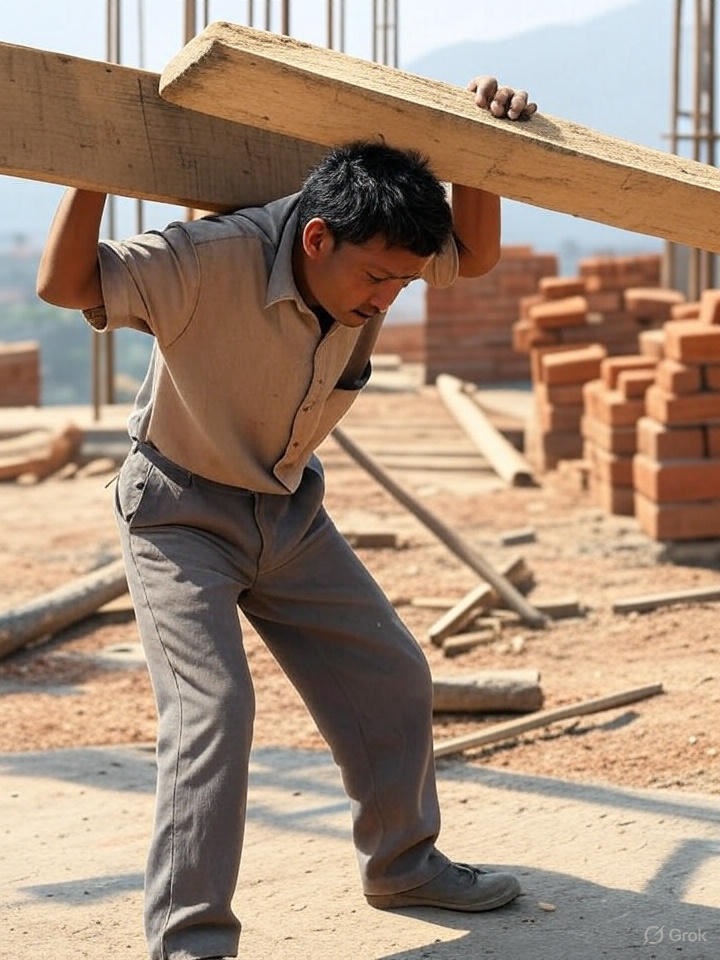
Construction work is tough on the body. Workers spend long hours lifting heavy materials, bending, and twisting in ways that strain their backs. A new study from Nepal shows just how common back pain is among these hardworking people and what puts them at higher risk. The Problem is Bigger Than We Thought The research looked at 402 construction workers in two cities in Nepal. The results were eye-opening. More than half of all workers, 52%, had experienced low back pain in the past year. This rate is much higher than what doctors see in the general public. (1) For reference, about 25% of Nepalese adults live with low back pain. This means construction workers face more than three times the normal risk. Women Face the Highest Risk The study found some surprising differences between male and female construction workers. Among women in construction, 72 out of every 100 had back pain in the past year. For men, the number was 48 out of 100. Such a big gap shows that women in construction face special challenges. Scientists think this difference might happen because of hormones. Women’s bodies produce different hormones than men’s bodies, and these hormones can change how people feel pain. Women might also do certain types of construction work that put more stress on their backs. Who Gets Back Pain Most Often? The researchers found four main factors that make back pain more likely: Being Female: Women were more than twice as likely to have back pain compared to men. This held true even when researchers looked at other factors like age and type of work. Living in Poverty: Workers whose families earned less than $1.90 per day were much more likely to suffer from back pain. Poor nutrition might weaken muscles and bones. Also, people with back pain might not be able to work as much, which could push families deeper into poverty. Working Many Years: People who had worked in construction for more than five years faced higher risks. Years of heavy lifting, bending, and physical stress add up over time. As workers get older, their spines naturally wear down, making pain more likely. Poor Sleep Quality: Workers who said they had “okay” sleep were at a higher risk of getting back pain compared to those who slept well. Pain and sleep have a two-way relationship: pain makes it hard to sleep, and poor sleep makes people feel more pain. The Hidden Cost of Back Pain Back pain doesn’t just hurt; it costs workers money and opportunities. The study found that 80 out of 100 workers with back pain never went to see a doctor or get treatment. Why not? No Time: Most workers (91 out of 100) said they were too busy to see a doctor No Money: Some workers (18 out of 100) couldn’t afford medical care Fear of Lost Wages: Many workers (41 out of 100) worried they would lose pay if they took time off for medical visits This creates a cycle where pain gets worse because people can’t get help. Most Workers Don’t Protect Themselves The research showed that most construction workers do nothing to prevent back pain. Among workers without back pain, 95 out of 100 took no steps to protect their backs. Even among workers who already had pain, 61 out of 100 did nothing to manage it. Some workers in Nepal use a traditional cloth belt called a “Patuka” around their waist. Studies have shown this can help protect the back by supporting the spine. But only 29 out of 100 workers with pain used this protection, and just 4 out of 100 healthy workers wore it to prevent problems. Different Jobs, Different Risks Not all construction work is equally hard on the back. The study found that manual laborers and bricklayers had the most back pain. These jobs require lots of bending, lifting, and twisting – all movements that stress the spine. Painters and electricians had less back pain. Their work involves less heavy lifting and more standing or reaching, which puts less strain on the lower back. The Role of Mental Health The research also looked at stress, anxiety, and job satisfaction. Workers who felt anxious were more likely to have back pain. Stress and worry can make the body tense up, which might make back pain worse. Job security also mattered. Workers who worried about losing their jobs had more back pain, though this connection wasn’t as strong as other factors. What This Means for Workers and Employers This research shows that back pain among construction workers is a serious problem that needs attention. Here’s what different groups can do: Workers can: Use protective gear like back belts when lifting Learn proper lifting techniques – bend knees, not back Take breaks to stretch and rest Seek medical help early when pain starts Practice good sleep habits Employers can: Provide training on safe lifting and moving Supply protective equipment Allow regular breaks for physical rest Offer health insurance or medical support Rotate workers between different types of tasks Health Officials can: Create programs to teach back safety Make medical care more available and affordable Develop workplace health rules for construction sites Research better ways to prevent and treat back pain Looking Forward Construction work will always be physically demanding, but back pain doesn’t have to be unavoidable. With better education, protective equipment, and access to healthcare, workers can protect themselves and stay healthy throughout their careers. The Nepal study is important because it shows the real scope of this problem in a developing country. Similar research in other places would help us understand if these patterns exist worldwide. Back pain among construction workers isn’t just a personal problem – it affects families, communities, and entire economies. When workers can’t do their jobs because of pain, construction projects slow down, families lose income, and countries lose valuable workers. By taking action now, we can help construction workers stay healthy, keep working, and support

This Is How Much You Should Walk Daily To Prevent Low Back Pain
Preventing low back pain and keeping it away is simpler than you might think. An activity, as simple as walking, can help prevent back pain episodes, says a 2025 study published in the journal JAMA Network Open. Low back pain (LBP) is common in Nepal, affecting nearly 25% of Nepalese adults. Globally, low back pain is estimated to affect over 800 million individuals by 2050. (1) In this blog, we discuss how walking helps your back, what the study found out, and how you can start your walking habit today. A Quick Overview of Low Back Pain Low back pain is pain that occurs in the region below your ribs and above your hips. It can be short-term (lasting a few days or weeks) or long-term (lasting more than 3 months). Some common causes of low back pain include: Poor posture Sitting too long Muscle weakness Injuries Stress Even with successful treatment, back pain can return. For many people, once the pain goes away, it often comes back. What Did the Study Find? Norwegian researchers analyzed data from over 11,000 individuals aged 20 years or more over several years. Participants were asked to wear an accelerometer on their thigh and lower back for a week. Using the records on the accelerometer, the researchers determined how many minutes the participants walked in a day and at what pace. Any participant with back pain lasting over 12 weeks was considered to have chronic low back pain. At the end of the study, researchers found that: (2) Participants who walked between 78 and 100 minutes/day had a 13% lower risk of developing chronic back pain than those who walked fewer than 78 minutes/day. Participants who walked more than 100 minutes/day had a 23% lower risk than those who walked fewer than 78 minutes/day. Benefits were also observed in those who walked faster, but they were less pronounced. According to the researchers, the total minutes you walk daily is more critical than how fast you walk when it comes to reducing the risk of low back pain. Also Read: What Is the Most Effective Treatment for Low Back Pain? Tips to Start Walking Today Walking for more than 78 minutes daily can be an uphill task for many, especially for those who have just started the daily walking habit. So, it’s best and safe to start walking for about 30 minutes for 5 or more days a week. If 30 minutes feels like too much, start with 10 minutes and gradually increase the duration each week. You can add daily steps by: Walking during lunch breaks Walking to the shops instead of driving Taking short walks after dinner Using stairs instead of lifts Use a pedometer or a smartphone app to track your steps. Key Takeaways Walking is a simple activity that requires no specialized equipment, just a pair of comfortable shoes. Walking for over 78 minutes/day is shown to reduce the risk of low back pain. References: World Health Organization: WHO and World Health Organization: WHO, Low Back Pain. 19 June 2023, www.who.int/news-room/fact-sheets/detail/low-back-pain. Haddadj R, Nordstoga AL, Nilsen TIL, et al. Volume and Intensity of Walking and Risk of Chronic Low Back Pain. JAMA Netw Open. 2025;8(6):e2515592. doi:10.1001/jamanetworkopen.2025.15592
Revisiting the Past: 30 years ago, One Study Found “Patuka” Really Helped Prevent Back Pain
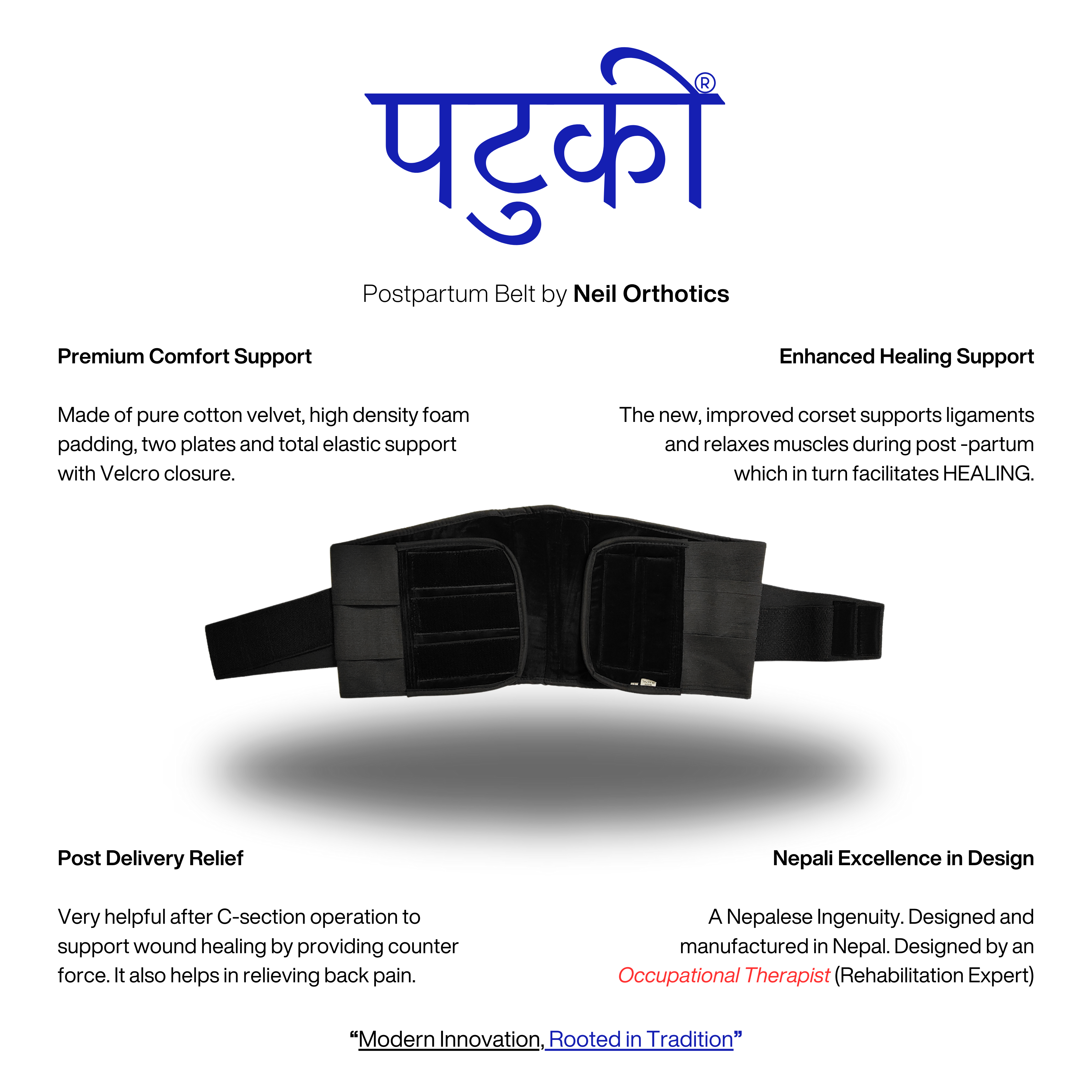
Exploring Ancient Practices Through a Scientific Lens Back pain affects up to 80% of adults at some point in their lives, making it one of the most common health complaints worldwide. While modern medicine offers various treatments, researchers have begun looking at traditional practices to understand how different cultures manage musculoskeletal health. One fascinating example comes from Nepal, where researchers discovered unusually low rates of back pain among people who follow traditional practices. Their findings, published in the International Orthopaedics journal, offer insights into how cultural practices may influence spinal health. Medical Disclaimer: This article is for educational purposes only. Always consult with a healthcare professional before making changes to your health routine or trying new treatments for back pain. The Research: A Scientific Look at Traditional Practice In 1994, Dr. R.K. Shah conducted a groundbreaking study examining why Nepalese people experience lower rates of back pain compared to many other populations. The research focused on a traditional cloth wrap called a “patuka” that Nepalese people commonly wear around their waist. The study measured two important factors: Intra-abdominal pressure (pressure within the abdominal cavity) Lumbosacral compression force (pressure on the lower spine) According to the research, wearing the traditional wrap appeared to influence both measurements in ways that might benefit spinal health. However, it’s important to note that this represents preliminary research from a single study conducted decades ago. Understanding the Cultural Context The Nepalese patuka has been used for generations, particularly among people who perform physically demanding work like carrying heavy loads through mountainous terrain. The study included a pilot survey of 55 people from traditional communities who regularly used this practice. Participants reported that they viewed the patuka as supportive for their waist and believed it helped prevent lower back discomfort. While personal reports don’t constitute scientific proof, they provide valuable cultural context for understanding traditional health practices. The Science Behind Spinal Support To understand why waist support might influence back health, it helps to know how the spine functions. The lower back carries significant weight and stress during daily activities. The abdominal cavity, when pressurized, may act as a support system for the spine – similar to how air pressure in a balloon provides structural support. Modern research suggests that intra-abdominal pressure may play a role in spinal stability. Some studies indicate that increased pressure in this area might reduce the load on spinal structures during certain activities. However, the relationship between external support and internal pressure remains an active area of research. Limitations and Considerations While the Nepal study provides interesting insights, several limitations should be considered: Small Sample Size: The research included a relatively small number of participants, which limits the generalizability of findings. Single Study: Health recommendations typically require multiple studies from different research groups to establish reliability. Cultural Factors: The low back pain rates in traditional Nepalese communities might result from multiple factors beyond the patuka, including: Different physical activity patterns Genetic factors Environmental conditions Overall lifestyle differences Different pain reporting practices Age of Research: The study is nearly 30 years old, and our understanding of back pain has evolved significantly since then. Modern Applications and Research The Nepal research sparked interest in back support devices and their potential benefits. Since then, various studies have examined external support for the spine, with mixed results.Some research suggests that lumbar support may help certain individuals with back pain, while other studies question the long-term benefits. The effectiveness appears to vary significantly between individuals and depends on factors such as: The specific cause of back pain Individual anatomy and physiology Activity level and type Duration and method of use What Healthcare Professionals Say Many healthcare providers take a cautious approach to external back support. Some potential considerations include: Possible Benefits: May provide temporary pain relief for some individuals Could offer psychological comfort during activities Might help maintain awareness of posture Potential Concerns: Risk of muscle dependency if used constantly May not address underlying causes of back pain Could provide false sense of security during risky activities Individual responses vary significantly Most experts emphasize that back support should be considered as part of a comprehensive approach that includes proper exercise, posture awareness, and addressing underlying health issues. The Broader Picture of Back Health While traditional practices like the Nepalese patuka offer interesting insights, modern back pain prevention typically involves multiple approaches: Exercise and Strengthening: Regular physical activity that strengthens core muscles and maintains flexibility often forms the foundation of back health programs.Ergonomics: Proper workplace setup and movement patterns can significantly impact spinal health.Lifestyle Factors: Weight management, stress reduction, and adequate sleep all contribute to overall musculoskeletal health.Professional Care: Physical therapy, chiropractic care, and medical treatment address individual needs and underlying conditions. Learning from Traditional Wisdom The Nepal study represents an important trend in modern medicine: examining traditional practices through scientific methods. While not all traditional remedies prove effective under scientific scrutiny, some do offer valuable insights. Other examples of traditional practices that have influenced modern medicine include: Acupuncture for pain management Mindfulness meditation for stress and pain Certain herbal remedies that led to pharmaceutical developments Movement practices like tai chi and yoga for balance and flexibility Important Safety Considerations If you’re considering any form of back support based on traditional practices or modern products: Consult with a healthcare provider first, especially if you have existing back problems Start gradually and monitor your body’s response Don’t rely solely on external support for back health Address any underlying conditions or movement patterns that contribute to pain Consider support as one part of a comprehensive back health strategy The Future of Back Pain Research The intersection of traditional wisdom and modern science continues to evolve. Researchers are exploring various approaches to back pain prevention and treatment, including: Advanced biomechanical analysis of traditional practices Personalized medicine approaches based on individual factors Technology-assisted support and monitoring systems Integrative approaches combining multiple therapeutic methods Key Takeaways The research on Nepalese traditional practices offers fascinating insights into cultural approaches to